







Search Results for: Degassing Test

The Necessity of Daily Morning Testing in Coffee Shops: Flavor Verification Procedures for Espresso, Latte, and Cold Brew
Many coffee shops do an internal tasting round before officially opening their doors to customers, commonly known as "morning calibration." The core purpose of this step is to confirm whether the coffee being served that day still tastes consistent, and if any abnormalities or negative changes in flavor are detected, adjustments must be made promptly. Some people wonder: if the equipment, water quality, parameters, and beans haven't changed, how could the taste change? In fact, espresso is particularly susceptible to the effects of coffee bean degassing and air humidity, so morning calibration is not superfluous. In addition to espresso, lattes and cold brew also need to be included in the testing. This article will explain one by one the reasons for morning calibration in coffee shops, what gets tested, and its significance at the food safety level. [more…]
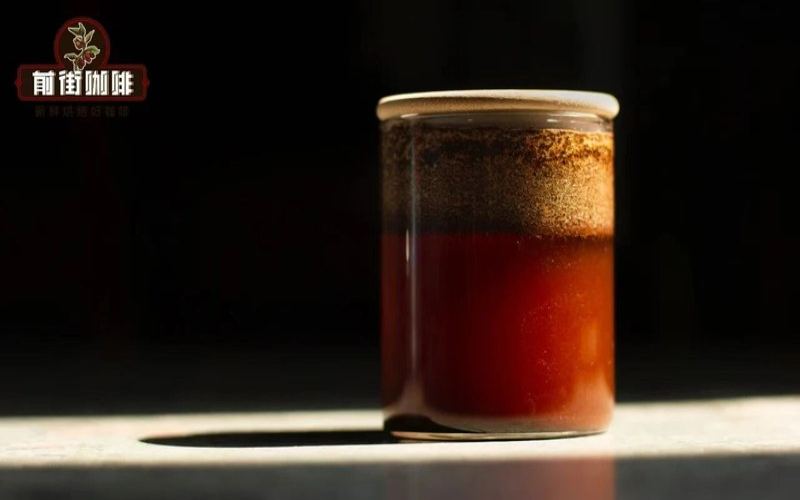
The drinking rhythm of Italian-style medium-roast beans from roast date to opening the bag
The aroma of medium-roast espresso beans doesn't fully unfold on the very day they're roasted. The beans are still steadily releasing carbon dioxide, and if you put them into the espresso machine too early, the puck is easily disturbed by the gas; the crema may look rich, but the cup can taste tight and disjointed, with a sweetness that doesn't come together coherently. Treating the roast date as the starting point for the flavor clock matters more than just watching the expiration date. [more…]

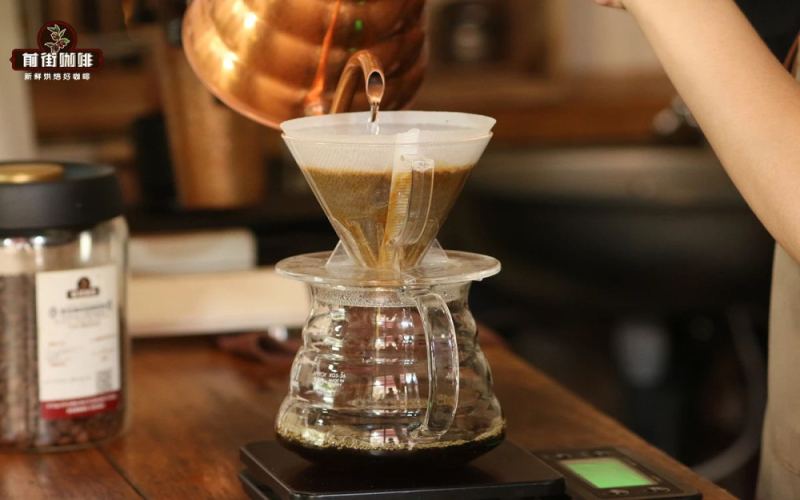
Pour-Over Coffee Blooming and Extraction Stages: A Comprehensive Analysis of Whether the Outer Coffee Grounds Need to Be Wetted with Water
In the practice of pour-over coffee, one detail that is often discussed is: should the coffee grounds around the edge be moistened with water? This article starts from the two stages of blooming and the main extraction, and, combined with comparative experiments on light, medium, and dark roast levels, analyzes the impact of the pouring range on flavor. The experiment shows that whether to wet the outer layer of grounds during blooming depends on whether all the coffee grounds can evenly absorb water and release gas in the shortest time. Not pouring around the outer ring tends to cause inconsistent extraction rates, and light and medium roast beans are prone to a grassy, unripe taste; while pouring directly onto the outer ring may block gas release in the center. The article also shares practical techniques such as swirling and stirring to help coffee enthusiasts extract every particle of coffee grounds more evenly. [more…]
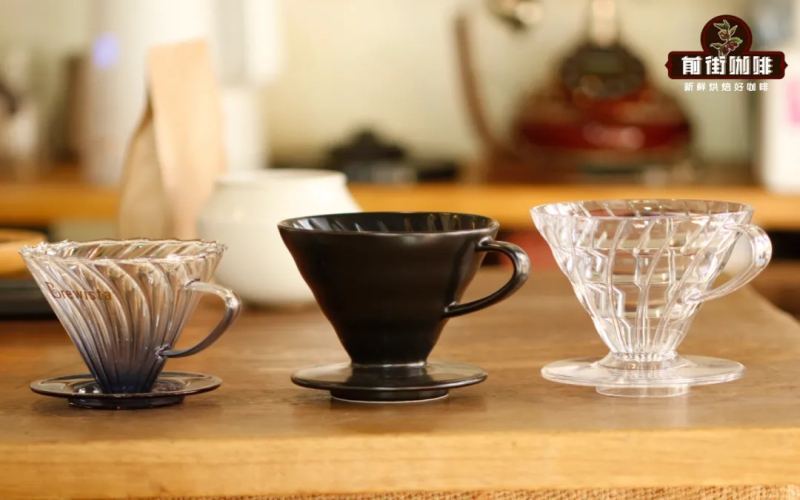
How to Choose the Material for a Home Coffee Dripper? A Hands-On Test of Resin, Glass, and Ceramic V60 on Heat Retention, Flow, and Flavor Differences
Faced with the dazzling array of V60 drippers on the market, many pour-over beginners are puzzled: they're all drippers, so why is there such a big price gap between resin, glass, and ceramic—does the coffee brewed really taste different? This time, Front Street Coffee specifically conducted a comparative test, using Ethiopian Yirgacheffe Gudingding washed beans, and under the same dose, water temperature, grind size, and coffee-to-water ratio, examined the heat retention performance, flow rate, and final flavor direction of three dripper materials. The article not only provides coffee bed temperature data without preheating and after thorough preheating, but also explains in detail how different materials affect the extraction rhythm, helping you choose the dripper that is truly suitable for home use based on the beans you usually drink and your budget. [more…]
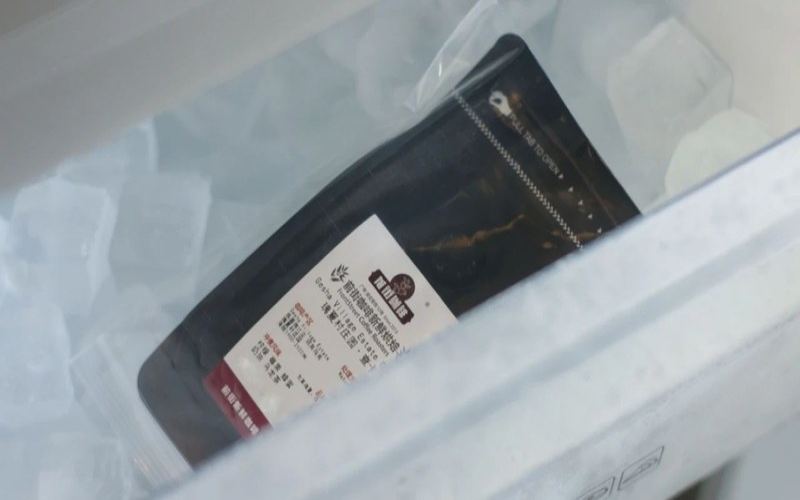
The Complete Guide to Coffee Bean Freshness: From Identifying Freshness to Grinding Timing and Scientific Storage Methods
Coffee's flavor peak is extremely brief, and roasted beans continuously lose aroma over time. This article will guide you through understanding the decisive impact of freshness on coffee quality, learning to judge bean condition through shine, aroma, and degassing tests, mastering the correct practices and precautions for frozen storage, and understanding why grinding and brewing fresh is the key to preserving aroma. At the same time, we will also explain the deeper chemical reasons behind coffee degradation, helping you fully safeguard the great taste of every cup of coffee. [more…]
After Roast Day: The Opening Rhythm of Three Latte Beans
Whether the aroma of coffee beans can cut through milk in a latte depends not only on the beans themselves but also on how many days have passed since roasting. Freshly roasted beans are still rapidly releasing carbon dioxide, which can cause uneven espresso flow and coarser foam; leave them too long, and the nutty, caramel, or fruity notes gradually fade. Catching that middle window of peak condition, [more…]
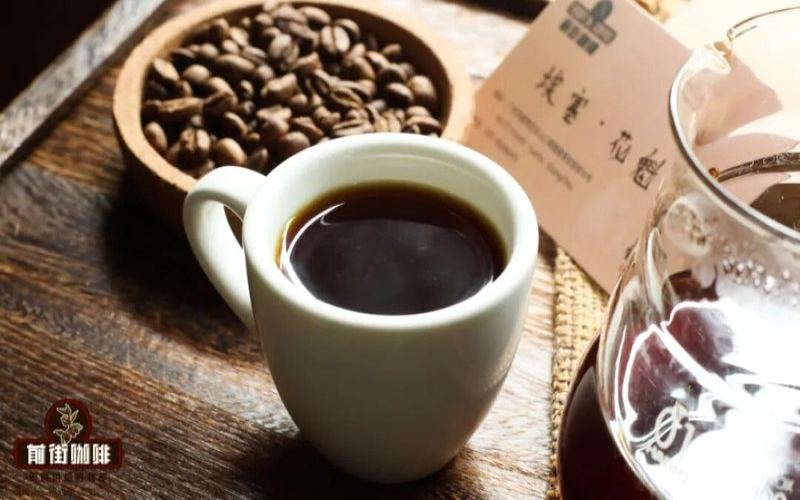
After the Roast Date, When Is the Best Time to Drink Coffee Beans for the Best Flavor?
Before putting coffee beans into an espresso machine, the roast date is worth checking before the aroma words on the packaging. Freshly roasted beans are still rapidly releasing carbon dioxide, and after grinding, the coffee bed is easily disturbed by the gas, which also causes fluctuations in the espresso flow rate and crema condition. Allow an appropriate resting period, and then plan to finish a bag of beans during its peak flavor stage, usually [more…]
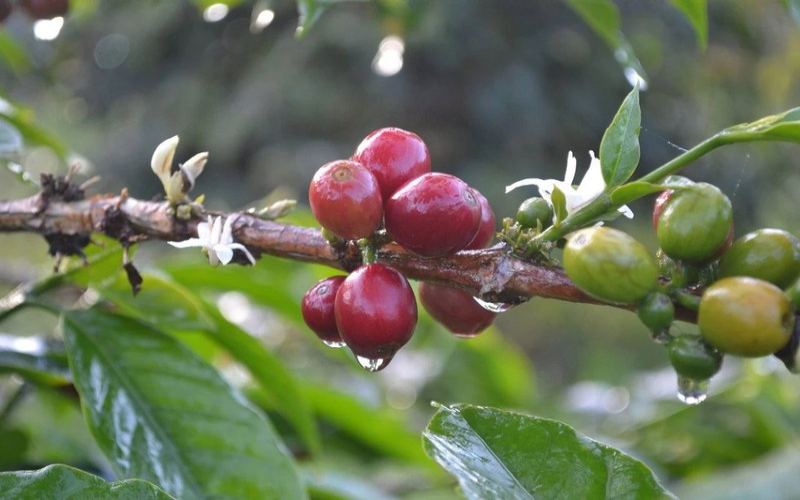
Opening Rhythm and Flavor Changes of Dark Roast Pour-Over Beans
When brewing pour-over with dark roast coffee beans, the flavor usually unfolds with notes of cocoa, roasted nuts, and caramel sweetness; when the water temperature is right, you can also taste a rounded, sweet finish. However, for these beans, the journey from completion of roasting to the first sip is not a straight line from opening the bag to drinking. Degassing rate, time after opening, and storage method all alter the aroma, body, and [more…]
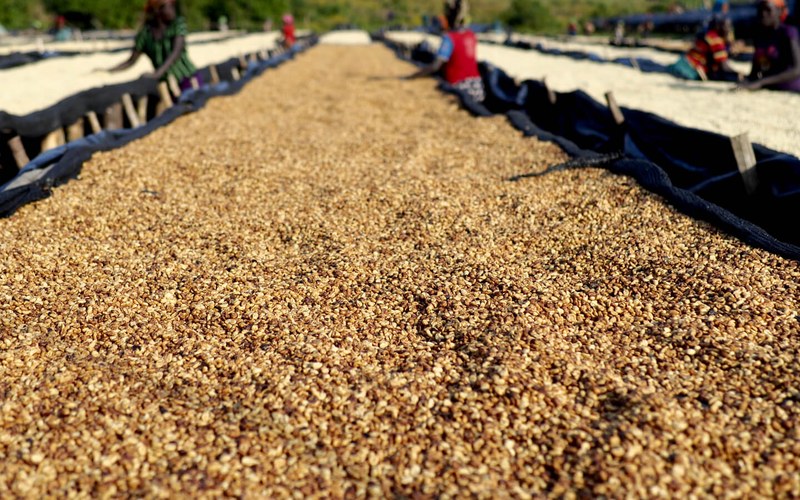
Moka Pot Oily-Mouthfeel Beans: From Roast Date to Peak Aroma
If you want to brew rich crema, a syrupy mouthfeel, and full aroma from a moka pot, the roast date of your coffee beans deserves your first attention. When beans are fresh out of the roaster, carbon dioxide is released relatively quickly, which can interfere with the extraction flow; if they are stored too long, the volatile aromas gradually fade. The ideal rhythm is to first let the degassing settle down, then take advantage of the aroma while it is still full. [more…]
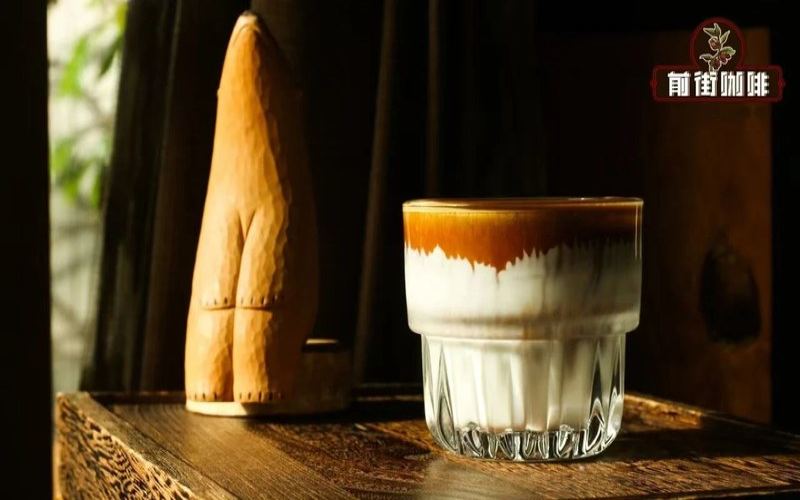
SOE Bag-Opening Rhythm: From Roast Date to Peak Flavor
SOE beans need to go through a degassing process from the completion of roasting to the unfolding of flavor. Freshly roasted beans contain a lot of carbon dioxide, so when brewing, the contact between water and coffee grounds can be uneven, and the aroma may also seem closed off; after proper resting, the acidity, sweetness, floral notes, and finish will gradually come together. Therefore, the closer the date does not necessarily mean the cup [more…]
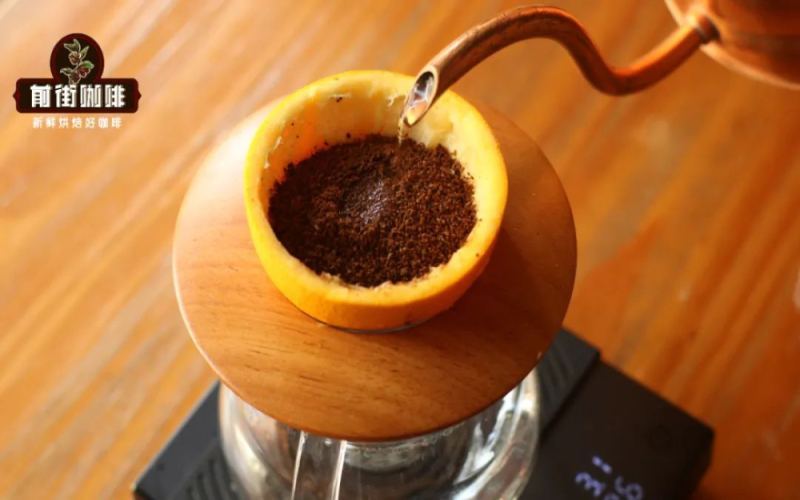
Is it feasible to make a pour-over dripper from fresh orange peel? A complete hands-on test from choosing the fruit and poking holes to brewing parameters
Hollowing out a fresh orange to make a dripper for brewing coffee—this method, which once went viral online, has recently seen new variations. Front Street Coffee, out of curiosity, gave it a try firsthand, from picking oranges, scooping out the flesh, poking holes, to brewing, and conducted a comparative test with two different coffee beans. The first attempt, due to holes that were too small, caused severe clogging and over-extraction, resulting in bitterness; the second time, after enlarging the hole size and coarsening the grind, a delicious cup was finally achieved, featuring citrus aromas, blueberry sweetness, and a black tea-like sensation. This article fully documents the steps, parameters, and pitfalls of this experiment, and summarizes three key details to note when using an orange peel as a dripper, for the reference of coffee enthusiasts who enjoy hands-on experimentation. [more…]
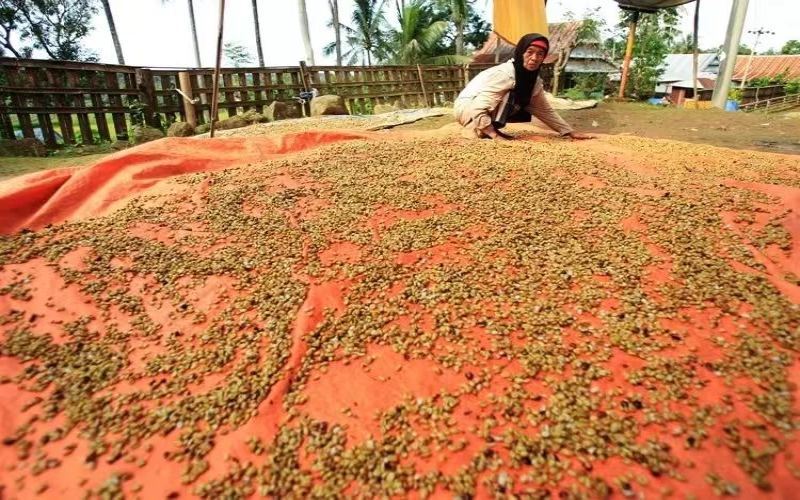
Tropical Fruit-Flavored Coffee Beans: The Flavor Rhythm After Opening
Tropical fruit flavors are often the most alluring part of coffee beans: the sweet aroma of ripe fruit, bright acidity, and an aroma that unfolds like fruit juice once it hits the palate. However, these flavors are sensitive to changes over time, so when buying beans you shouldn't just look at the flavor notes—you also need to pay attention to the roast date, the condition of the packaging, and your own daily consumption rate. After roasting [more…]
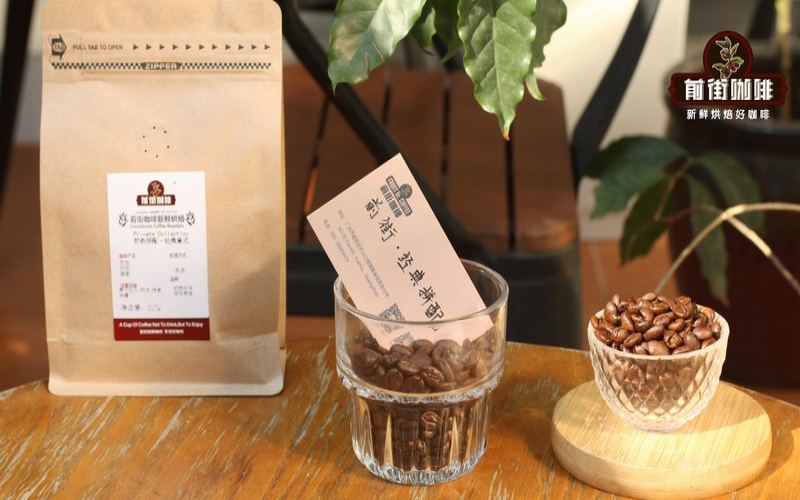
The Flavor Window and Drinking Rhythm of Nutty Cocoa Beans
For coffee beans with notes like nut, cocoa, and caramel, the appeal often lies not only in the roasting label, but also in the state they are in when you take that first sip. Drink the beans too early, and the aroma may be masked by the degassing process; leave them too long, and the originally round sweetness will gradually thin out. Only by mastering the rhythm from opening the bag to finishing the last cup can you more consistently [more…]
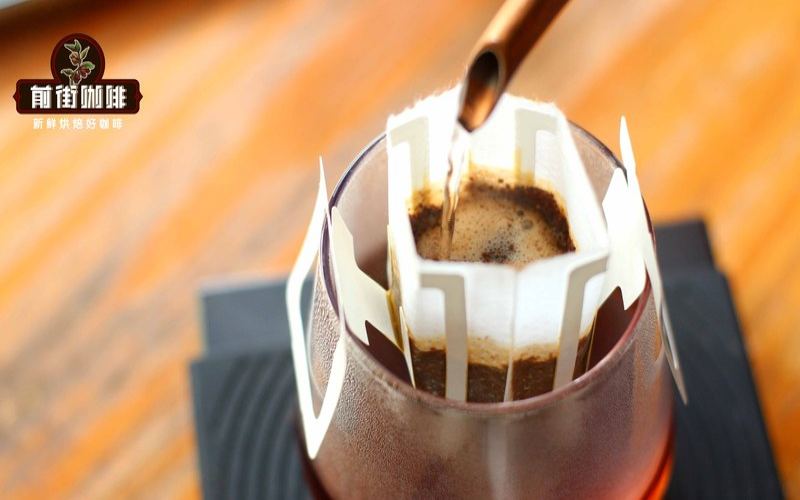
Crema Abundance Starts from Roast Day: The Flavor Schedule of a Bag of Beans
Coffee with a full-bodied crema often has a velvety mouthfeel on the palate, and espresso more easily forms a fine foam on its surface. However, a shiny bean surface is not the sole criterion for judging thickness in the cup; the state of degassing after roasting, the timing of grinding, and the number of days since opening all alter the aroma and texture. If you want to taste notes of nuts, cocoa, and caramel, first [more…]
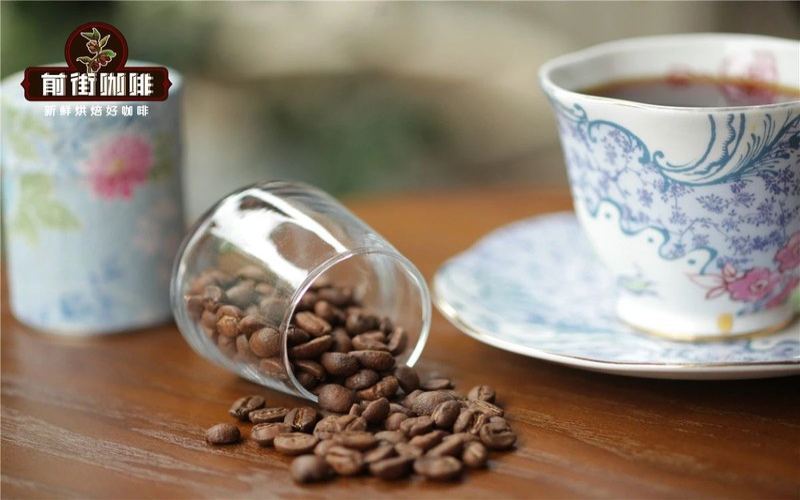
How to dial in the flavor window for moka pot coffee beans
Coffee brewed in a moka pot is strong and aromatic, and the condition of the beans directly affects how it tastes. To keep the cup from being too sharply acidic, consider the purchase date, roast date, and how quickly you drink them after opening. Fresh doesn't mean drinking them right after roasting; the beans need a period of degassing for the flavors [more…]
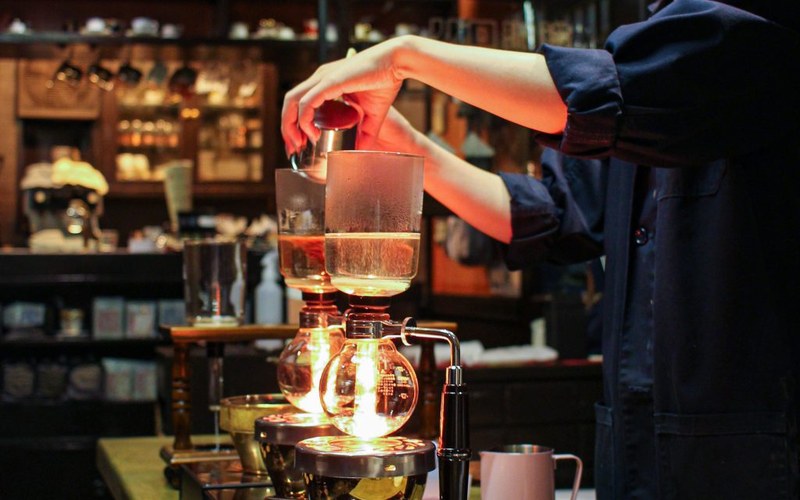
The Transformation of Espresso Crema from Bag Opening to Cup
When making espresso, the golden foam on the surface of the cup is greatly influenced by the freshness of the beans. Freshly roasted coffee beans contain more carbon dioxide, which is rapidly released when they meet high-pressure hot water, making the crema look richer and the aroma more punchy. However, more crema does not mean the flavor has matured; the time since opening the bag, the roast level, and the beans' own [more…]
From Roast Date to Sealed Bag: The Flavor Rhythm of Commercial Coffee Beans
Coffee beans are not more aromatic the closer they are to the roast date. Freshly roasted beans contain more carbon dioxide, which can cause uneven water penetration in the puck when pulling espresso; the crema may look thick and rich, but the sip feels loose and disconnected. After resting for a period, the gas is slowly released, and notes of nuts, cocoa, or caramel only then become coherent. When selecting commercial beans, take the roast date into account [more…]
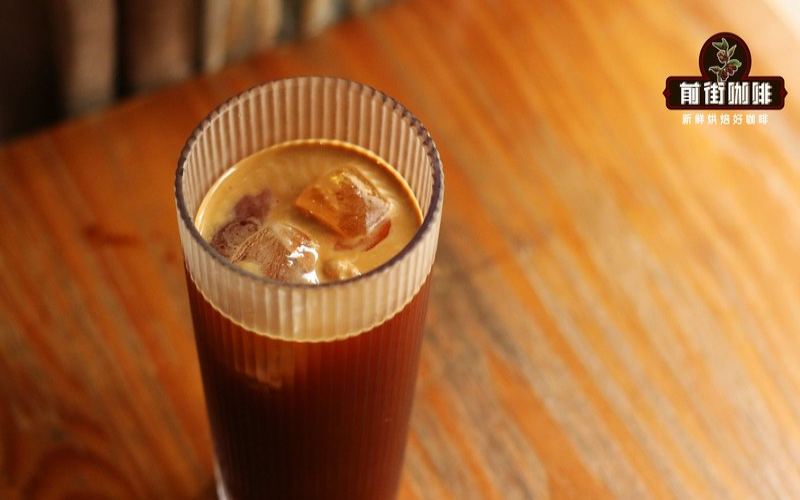
When to Start Drinking Medium-Roast Pour-Over Beans: A Flavor Calendar After Roast Date
The aroma of medium-roast pour-over beans isn't fully developed the moment they come out of the roaster. After roasting, the beans continue to release carbon dioxide, and the volatile aromatics are still re-integrating; if you brew too early, the coffee bed puffs up noticeably, water tends to channel around it, and the cup may have a soaring aroma but sweetness that hasn't come together yet. So when choosing beans, you should check the roast date, and also give them time to [more…]
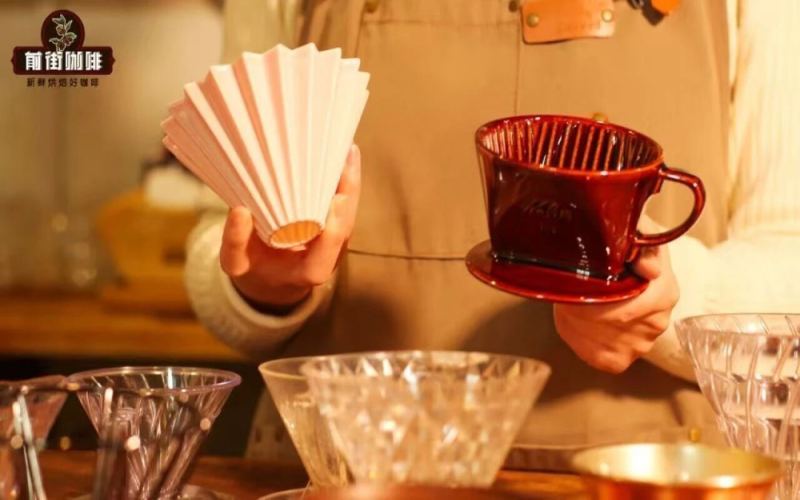
Comparative Experiment: V60 vs. YASUKIYO Wooden Dripper — Extraction Differences and Pairing Suggestions for the Same Yunnan Coffee Beans
Different drippers, due to differences in shape, hole size, and groove design, directly affect water flow rate and degassing, causing the same coffee beans to present entirely different flavor expressions. For this test, Front Street chose the V60 and the YASUKIYO wooden dripper, using the same brewing method and parameters to conduct a comparative test on Front Street 2013 Yunnan Small-Bean Typica, keeping water temperature, grind size, and pouring method as consistent as possible, to observe the differences between the two drippers in aroma, mouthfeel, and extraction efficiency. The article will separately analyze the structural characteristics of the two drippers and give recommendations for Front Street coffee beans that pair well with each, helping coffee lovers choose equipment more purposefully in their daily brewing. [more…]
After the roast date, when does an SOE latte enter its flavor peak?
When SOE espresso meets milk, it can turn the fruity sweetness, nutty aroma, or cocoa notes of a single origin into softer layers in a latte—but only if the beans are at the right stage of release. Brew too soon after roasting, and the active gases make the espresso prone to inconsistency; leave them too long, and the aroma fades. To get it tasting good, the purchase date and the moment you open the bag [more…]